
Play
- Play Skills & Early Development
- Social, Sensory & Pretend Play
Request Support for Play Therapy
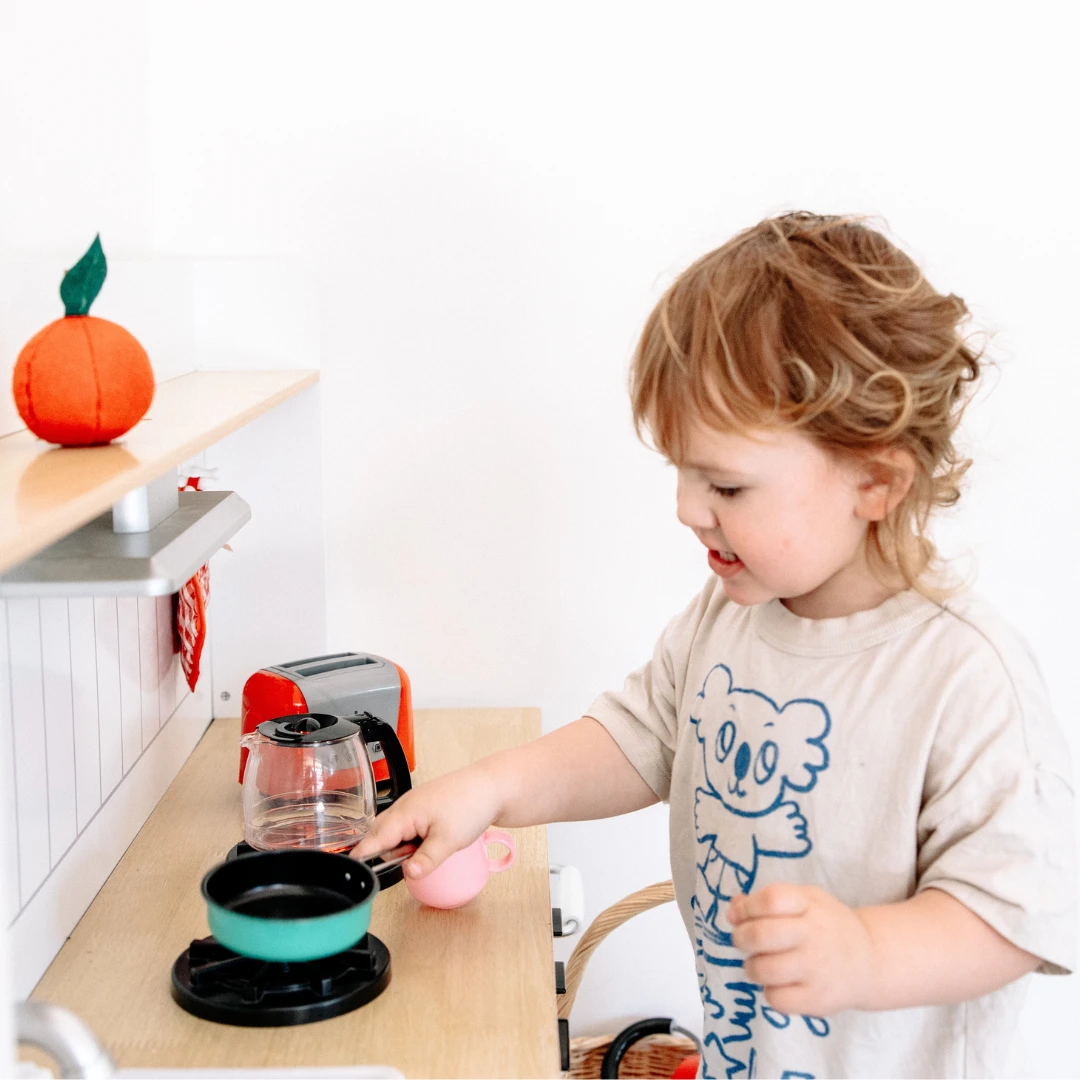
Play is How Children Grow!
At GROW Paediatrics, play is the foundation of development. Through play, children build communication, emotional regulation, social skills, motor abilities and confidence.
Play is woven through all of our therapy. Our team uses child-led, developmentally informed approaches that honour each child’s strengths, interests and individual way of engaging.
How We Support Play
Occupational Therapists (OTs)
Our OTs support the sensory, motor and regulation foundations needed for play, including:
- Sensory processing
- Motor skills for active play
- Emotional regulation
- Pretend and flexible play
- Transitions between activities
Speech Pathologists
Our speech pathologists use play to develop:
- Early interaction skills (turn-taking, shared attention)
- Language and communication
- Social communication
- Symbolic and imaginative play
- Peer and sibling engagement
Lead Practitioners
Our Lead Practitioners bring extensive experience in early childhood development, play-based learning and school readiness. They support:
- Play skill development
- Social interaction and peer confidence
- Group participation
- Early learning through play
- Transitions into preschool and school settings
Registered Nurses (RNs)
Our nurses support children whose medical, feeding or sleep needs may impact engagement in play ensuring participation is safe and supported.
What We Support
We help children build:
- Shared attention and early social skills
- Sensory confidence
- Turn-taking and back-and-forth interaction
- Imaginative play
- Flexible thinking and problem-solving
- Emotional regulation during play
- Peer confidence
For children who are neurodivergent, sensory-sensitive, delayed in communication, or living with medical or developmental needs, play can feel overwhelming. We provide practical, structured support to make play feel safe and successful.
Our Approach
Our play support is:
Child-led
We follow your child’s interests and developmental stage.
Neurodiversity-affirmin
We build skills through strengths.
Relationship-based
We coach parents and carers to join in confidently.
Evidence-informed
Our strategies are grounded in best practice.
Who we help
Children who are
- Finding it difficult to play flexibly
- Preferring repetitive play
- Unsure how to join in with peers
- Struggling with imaginative or pretend play
- Showing limited interest in toys or social play
- Experiencing sensory overload during play
- Neurodivergent (autism, ADHD, PDA profiles, sensory differences)
Children with
- Developmental delays in play, communication or motor skills
- Medical or feeding challenges affecting energy and engagement
- Social anxiety or emotional regulation challenges
- Early signs of social communication differences
What to expect
Your journey may include:
- A play-based developmental assessment
- A tailored therapeutic play plan
- Targeted play sessions
- Coaching for parents and educators
- Practical strategies for home and school
We focus on meaningful progress that transfers into everyday life.
Why Play Matters
Play builds lifelong skills, communication, resilience, confidence, creativity and connection.
When children feel successful in play, they feel successful in themselves.